
Groundwater Exploitation in Northern States Raises Serious Concerns, Parliamentary Panel Flags Alarming Trends
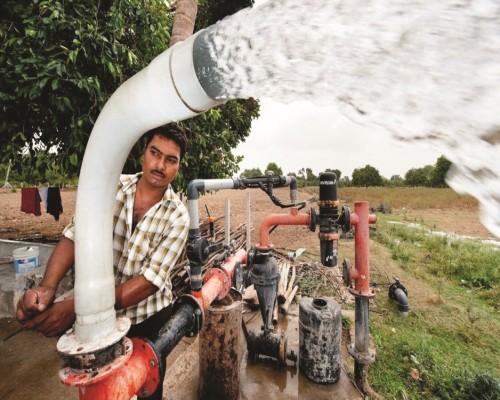
A recent report presented by the Parliamentary Public Accounts Committee has brought to light a deeply concerning situation regarding groundwater exploitation across several northern states. The findings indicate that regions including Delhi, Haryana, Punjab, and Rajasthan are experiencing groundwater extraction levels that exceed sustainable limits, in some cases surpassing 100 percent of recharge capacity.
The report highlights that in certain districts, the extent of groundwater extraction has escalated to as high as 385 percent, pointing toward an acute imbalance between usage and natural replenishment. Such excessive withdrawal has placed immense stress on already fragile water resources, raising concerns over long-term sustainability and water security in these regions.
The committee has termed the situation alarming and has urged immediate intervention by the central government. It has emphasized the need for strict regulatory measures and coordinated efforts to curb over-extraction. The panel has also recommended strengthening groundwater management policies and ensuring their effective implementation at both state and district levels.
Data referenced in the report indicates that India extracts approximately 245 billion cubic meters of groundwater annually, accounting for nearly a quarter of the global total. Of this, around 80 percent is utilized for drinking water and about 64 percent for irrigation purposes. The dependence on groundwater, particularly for agricultural activities, has significantly contributed to the current crisis.
The Ministry of Jal Shakti has acknowledged the seriousness of the issue and has pointed to various initiatives aimed at improving groundwater conditions. According to assessments conducted under national water conservation programs, there has been a marginal improvement in groundwater extraction levels, which declined from 63.33 percent in 2017 to 59.26 percent in 2023. While this indicates some progress, experts caution that the overall situation remains critical, especially in over-exploited zones.
The report also notes improvements in groundwater recharge efforts, particularly due to increased rainfall in recent years. For instance, average water levels in monitored areas showed a rise of approximately 61 percent during the monsoon period compared to previous assessments, offering a temporary relief. However, such gains are seen as insufficient to offset the sustained high levels of extraction.
The committee has called for enhanced protection of groundwater resources through scientific monitoring, better data management, and stricter enforcement of regulations. It has stressed the importance of state governments taking proactive measures to ensure sustainable usage, particularly in agriculture, where inefficient irrigation practices continue to drive excessive consumption.
Experts further recommend promoting alternative water sources, including the use of treated wastewater, rainwater harvesting, and improved irrigation techniques such as drip and sprinkler systems. Public awareness and behavioral change are also seen as crucial components in addressing the crisis.