
Groundwater Levels in the Capital Continue to Decline, Yet Rainwater Continues to Go to Waste
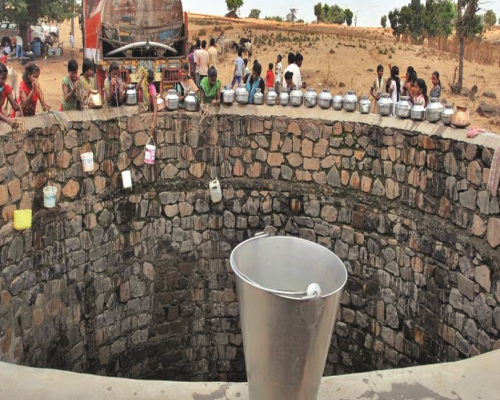
Despite the ongoing water crisis, the national capital is failing to utilise the abundant rainwater it receives during monsoon. Experts say that the falling groundwater levels are a matter of grave concern, yet inadequate rainwater harvesting systems mean that a significant amount of rainfall drains away without replenishing the aquifers.
According to official data, groundwater levels in several parts of Delhi have dropped by 15 to 20 metres in the past two decades. The Central Ground Water Board (CGWB) has reported that in 2020, more than 60% of monitored wells recorded dangerously low water levels.
In areas like Mehrauli, Dwarka, and parts of East Delhi, residents are heavily dependent on borewells. However, continuous extraction without recharge has worsened the depletion. Experts warn that if this trend continues, water scarcity will intensify, affecting both households and industries.
The situation in the Delhi-NCR region mirrors this crisis, with neighbouring cities like Ghaziabad, Noida, and Faridabad also witnessing alarming drops in water tables.
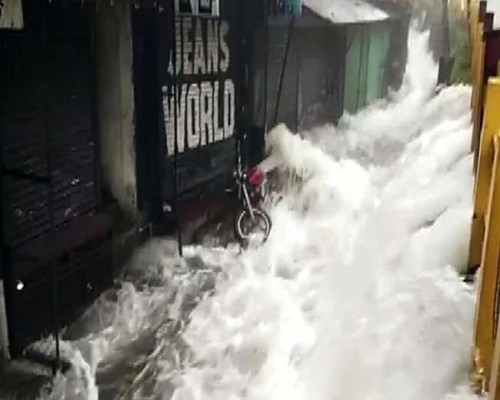
Ironically, during the monsoon, the capital experiences heavy rainfall, leading to waterlogging and flooding in several low-lying areas. Instead of being channelled into groundwater recharge systems, this water flows away into drains.
Environmentalists stress that rainwater harvesting should be made mandatory for residential colonies, government buildings, and commercial complexes. They also recommend rejuvenating ponds, lakes, and wetlands to store rainwater naturally.
The Delhi government has announced new initiatives to expand water recharge systems, but experts believe immediate large-scale action is needed to reverse the trend.