
‘High Seas Treaty’ Comes Into Force to Protect Marine Life in International Waters
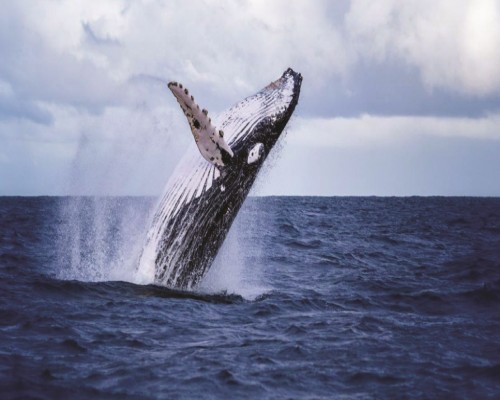
A historic international agreement aimed at protecting marine ecosystems in international waters has officially come into effect. Known as the High Seas Treaty, the pact represents the world’s first legally binding framework designed to safeguard marine biodiversity in areas beyond national jurisdiction.
The treaty marks a major milestone in global ocean governance and environmental protection. It was finalized after nearly two decades of negotiations among nations seeking to establish rules for conserving marine life in the vast areas of the ocean that lie outside national territorial waters.
The agreement applies to international waters, commonly referred to as the high seas, which account for nearly two-thirds of the world’s oceans. These regions fall outside the control of any single country and have historically lacked a comprehensive legal framework for environmental protection.
The High Seas Treaty seeks to address this gap by creating mechanisms to conserve marine biodiversity and regulate human activities that could harm ocean ecosystems. The agreement entered into force after a sufficient number of countries formally approved the treaty, meeting the threshold required for its implementation.
So far, 83 countries have endorsed the treaty, enabling its provisions to take effect. The adoption of the agreement has been widely regarded as a landmark achievement in international environmental cooperation.
One of the key provisions of the treaty is the creation of Marine Protected Areas (MPAs) in international waters. These protected zones will restrict or regulate certain activities in order to preserve vulnerable marine ecosystems and ensure sustainable use of ocean resources.
Currently, only about one percent of the high seas are protected under existing conservation frameworks. The treaty provides a legal pathway for expanding marine protection efforts significantly, supporting the global goal of protecting 30 percent of the world’s oceans by 2030.
The agreement also introduces requirements for environmental impact assessments before major activities are conducted in international waters. Industries such as deep-sea mining, large-scale fishing operations, and other commercial activities will need to evaluate potential environmental consequences before proceeding.
Another important component of the treaty is the promotion of international scientific cooperation and information sharing related to marine biodiversity. Countries will collaborate in research and technology development to better understand and protect ocean ecosystems.
The treaty also includes provisions to support developing countries by strengthening their capacity to participate in marine conservation efforts. This includes access to scientific knowledge, training, and technological resources that can help improve marine research and environmental monitoring.
Despite broad global support, some major powers have taken different positions regarding the treaty. The United States signed the agreement but has not yet ratified it, meaning it cannot participate in decision-making processes related to the treaty until formal approval is completed through domestic procedures.
Environmental organizations have welcomed the treaty as a significant step toward protecting fragile marine ecosystems that face growing threats from overfishing, pollution, climate change, and industrial activities.
Experts believe that effective implementation of the treaty will depend on strong international cooperation and enforcement mechanisms. The success of marine protected areas and conservation policies will largely depend on the willingness of countries to uphold the commitments made under the agreement.
Overall, the High Seas Treaty represents a historic effort to safeguard marine life in areas of the ocean that have long remained beyond effective regulation. By establishing a global framework for conservation, the agreement is expected to play a crucial role in protecting biodiversity and ensuring the long-term health of the world’s oceans.