
Hindon River Continues to Bear the Burden of Pollution Despite Years of Projects and Crores in Expenditure
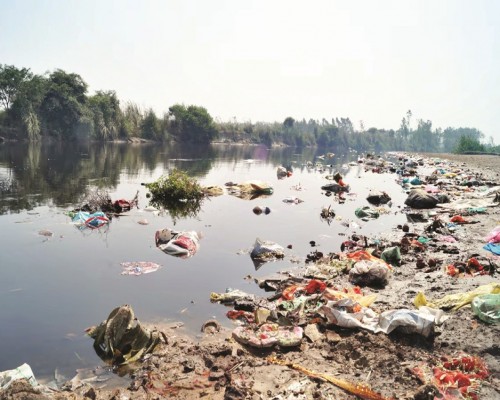
Untreated Wastewater, Illegal Colonies, and Administrative Gaps Keep River Restoration Goals Elusive
Despite multiple government initiatives, large-scale investments, and repeated promises of river rejuvenation, the condition of the Hindon River continues to remain a matter of serious concern. Years of efforts aimed at cleaning the river have yielded limited visible results, with untreated wastewater and pollution continuing to flow into the river, raising questions about the effectiveness of ongoing restoration measures.
Over the years, numerous plans have been announced to revive the Hindon and improve water quality. However, environmental experts and local residents argue that while schemes have changed and funds have been allocated, the river’s condition has shown little improvement. Large stretches of the river continue to suffer from pollution caused by sewage discharge, encroachments, and unregulated urban expansion.
Untreated Wastewater Remains a Major Challenge
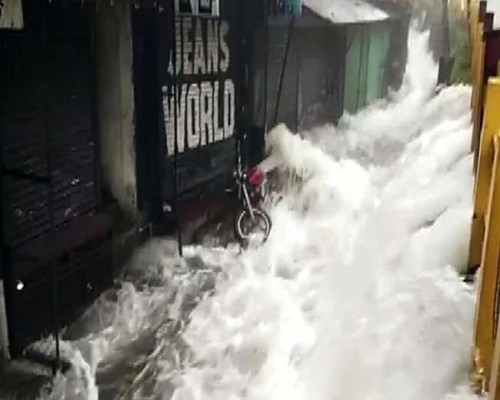
One of the most significant factors contributing to the river’s deteriorating condition is the continuous discharge of untreated or partially treated wastewater through drains connected to the river system. Reports indicate that several drains continue to carry polluted water into the Hindon, adversely affecting water quality and aquatic life.
Environmental assessments have repeatedly highlighted the need for comprehensive wastewater treatment infrastructure. Although treatment facilities have been developed and upgraded in several locations, experts believe that existing capacities remain insufficient to address the volume of wastewater generated by rapidly expanding urban settlements.
Illegal Colonies Add to Pollution Burden
Authorities have identified unauthorized and unplanned settlements as another major source of pollution entering the river. A large number of illegal colonies have reportedly emerged in the river’s catchment area over the years, many of which lack proper sewerage and drainage infrastructure.
As a result, domestic wastewater from these areas often finds its way into nearby drains and ultimately into the river. Urban planners and environmentalists have stressed that without addressing the issue of unauthorized development and ensuring proper waste management systems, long-term river restoration efforts may continue to face significant challenges.
Crores Spent on River Rejuvenation
Government agencies and civic bodies have invested substantial resources in river-cleaning projects and infrastructure development. Significant funds have been allocated for sewage treatment plants (STPs), drain interception systems, pumping stations, and related environmental initiatives designed to reduce pollution levels in the Hindon.
Several major projects have been launched with the objective of preventing untreated wastewater from entering the river. These include the construction and expansion of sewage treatment facilities, laying of sewer networks, and modernization of urban drainage systems.
Officials maintain that extensive work has been undertaken to improve water quality and strengthen wastewater management infrastructure. However, environmental groups argue that the actual impact of these projects has not yet matched public expectations.
Inter-Departmental Coordination Remains Critical
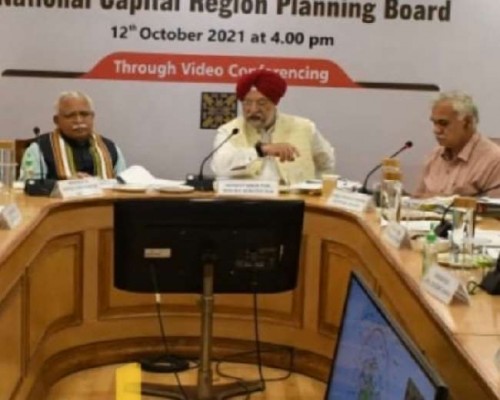
Experts note that river conservation requires close coordination among multiple government agencies, including municipal corporations, irrigation departments, pollution control authorities, urban development bodies, and local administrations.
One of the recurring challenges in river restoration projects is the division of responsibilities among various departments. While each agency may be responsible for a specific aspect of river management, gaps in coordination can hinder the overall effectiveness of conservation efforts.
Environmental specialists emphasize that successful river rejuvenation requires a unified approach involving continuous monitoring, accountability, and coordinated action across departments.
Need for Sustainable and Long-Term Solutions
The ongoing challenges faced by the Hindon River highlight the complexity of restoring urban rivers that pass through densely populated and industrialized regions. Experts believe that infrastructure development alone cannot solve the problem unless accompanied by strict enforcement against illegal discharges, effective urban planning, and public participation.
Recommendations include expanding sewage treatment capacity, ensuring 100 percent treatment of wastewater before discharge, preventing encroachments along the river corridor, strengthening monitoring mechanisms, and promoting community-led conservation initiatives.
Future of the Hindon Depends on Effective Implementation
Environmentalists warn that without consistent and effective implementation of existing plans, the river may continue to face ecological degradation despite substantial financial investments. The Hindon remains a critical waterway for the region, and its restoration is essential not only for environmental sustainability but also for public health and groundwater security.
While authorities continue to pursue river-cleaning initiatives, stakeholders believe that measurable improvements in water quality and ecological health will be the true indicators of success. The challenge now lies not in announcing new schemes, but in ensuring that existing projects deliver tangible and lasting results.