
Hindon River Faces Severe Pollution as Urban and Industrial Waste Continues to Flow Into It
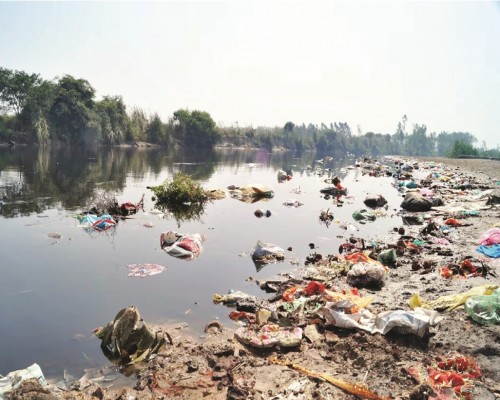
The Hindon River, once a vital lifeline for several districts of western Uttar Pradesh, is facing a severe environmental crisis as increasing levels of pollution from cities and industries continue to contaminate its waters. Environmental experts warn that the river’s ecological health has deteriorated significantly over the years, raising concerns about public health, agriculture, and biodiversity in the region.
The Hindon is an important tributary of the Yamuna River and flows through several major districts in western Uttar Pradesh, including Saharanpur, Muzaffarnagar, Meerut, Baghpat, and Ghaziabad. Originating from the Shivalik foothills in Saharanpur district, the river travels approximately 355 kilometers before merging with the Yamuna.
Historically, the Hindon has played a crucial role in supporting agriculture, local ecosystems, and rural communities along its banks. However, rapid urbanization and industrial expansion in the region have dramatically changed the river’s condition.
According to environmental observations, the river now receives large volumes of untreated sewage, industrial discharge, and solid waste, leading to a sharp decline in water quality. In several stretches, the water has turned dark and emits a foul odor, indicating high levels of contamination.
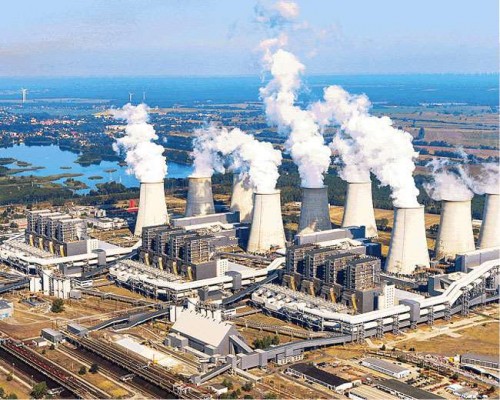
Industrial units located along the riverbanks are often cited as major contributors to the pollution problem. Effluents from manufacturing units, chemical industries, and other industrial facilities are believed to be entering the river system, either directly or through connected drainage channels.
Urban wastewater also plays a significant role in the deterioration of the river. Rapidly growing cities in the region generate large quantities of sewage, and inadequate treatment infrastructure means that a substantial portion of this waste eventually finds its way into the Hindon.
Residents living near the river report that the polluted water has had visible environmental effects. Agricultural lands irrigated with contaminated water have raised concerns about soil quality and crop safety. In addition, livestock and wildlife in the region are also affected by the degraded water conditions.
The river’s deteriorating condition has also raised serious public health concerns. Communities living near the riverbanks have reported an increase in waterborne diseases and other health issues that may be linked to polluted water sources.
Environmentalists warn that without immediate intervention, the ecological damage could become irreversible. The loss of aquatic life, degradation of wetlands, and contamination of groundwater reserves are among the potential long-term consequences of continued pollution.
Experts emphasize that restoring the Hindon River will require coordinated efforts involving government agencies, local authorities, industries, and communities. Strengthening wastewater treatment systems, enforcing environmental regulations on industrial discharge, and improving waste management practices are considered essential steps toward addressing the problem.
Public awareness campaigns and community participation can also play an important role in protecting the river. Reducing waste disposal into drains and encouraging responsible environmental practices may help limit further contamination.
Authorities have periodically initiated river-cleaning campaigns and environmental monitoring programs. However, experts argue that sustained and long-term action is necessary to reverse the damage already caused.
The situation of the Hindon River reflects a broader environmental challenge faced by many urban rivers across India. As cities expand and industrial activity increases, maintaining ecological balance and protecting natural water bodies have become critical priorities.
Environmental advocates stress that protecting rivers like the Hindon is essential not only for ecological sustainability but also for safeguarding the health and livelihoods of millions of people who depend on these water resources.