
Invisible World of Trees Could Shape the Future of Climate
Forests of Ganga-Brahmaputra and Himalayas vital for biodiversity and carbon balance
A groundbreaking study has revealed the existence of a vast and largely invisible world of microorganisms thriving within trees, which could play a decisive role in combating climate change. Scientists argue that these hidden ecosystems are essential for regulating carbon cycles, supporting biodiversity, and ensuring long-term ecological stability.
The research highlights that every tree is home to thousands of microscopic organisms—fungi, bacteria, and other microbes—that form symbiotic networks. These organisms not only protect trees from diseases but also enhance their ability to absorb carbon dioxide. According to experts, the forests of the Ganga-Brahmaputra basin and the Himalayan region could become critical hotspots for such microbial biodiversity, strengthening India’s climate resilience.
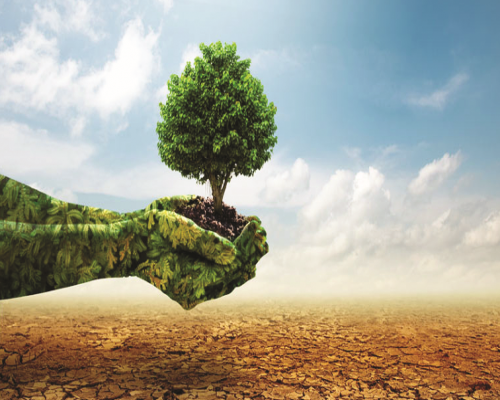
The study suggests that by protecting and expanding forests, particularly in these ecologically sensitive zones, India could significantly offset carbon emissions. A single mature tree, enriched by microbial partnerships, can store up to 300 kilograms of carbon annually, underlining the immense potential of forest ecosystems in climate mitigation.
Researchers emphasize that restoring degraded forests and promoting native tree plantations could unlock sustainable solutions to climate change. By nurturing the invisible life within trees, humanity could secure both environmental balance and a healthier future.