
Life-Saving Himalayan Herbs Face Extinction Threat
Overharvesting and climate change pushing medicinal plants toward disappearance
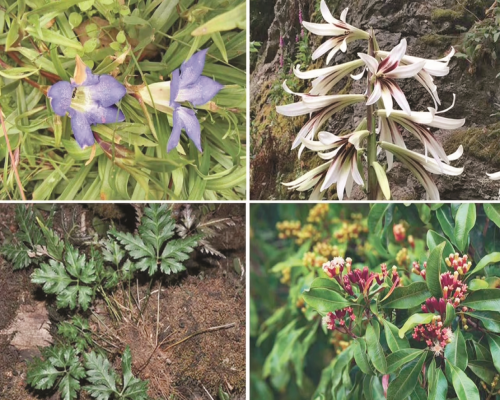
Once considered the backbone of Ayurveda and traditional medicine, many rare medicinal herbs of the Himalayan region are now on the brink of extinction. A recent survey has identified 12 critically threatened species, including Atis, Kutki, Jatamansi, and Dhoop, which are disappearing rapidly due to unsustainable harvesting and environmental degradation.
The study, conducted under the Himalayan Biodiversity Mission, reveals that rising demand for herbal medicines, coupled with deforestation and climate change, has severely reduced the natural habitat of these plants. Experts warn that if urgent conservation steps are not taken, several of these herbs may vanish completely by 2025–2030.
These herbs have been traditionally used for treating ailments ranging from fever, respiratory infections, and digestive problems to serious conditions like heart disease and cancer. For instance, Kutki is vital for liver disorders, while Jatamansi is valued for neurological treatments.
Local farmers and conservationists are now urging the government to promote community-based cultivation and replantation programs to restore the population of these plants. Experts stress that reviving these herbs is not only crucial for public health but also for preserving the cultural and ecological heritage of the Himalayan region.