
Nearly ₹2,700 Crore to Be Spent on Cleaning Polluted Air Across the State
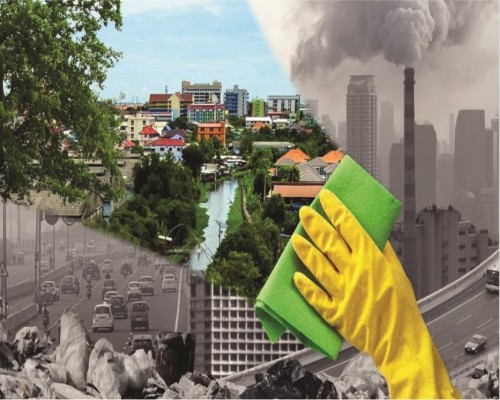
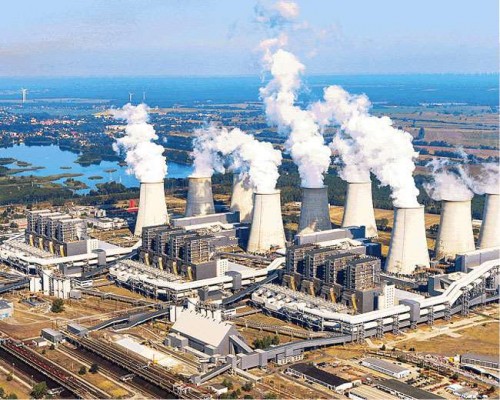
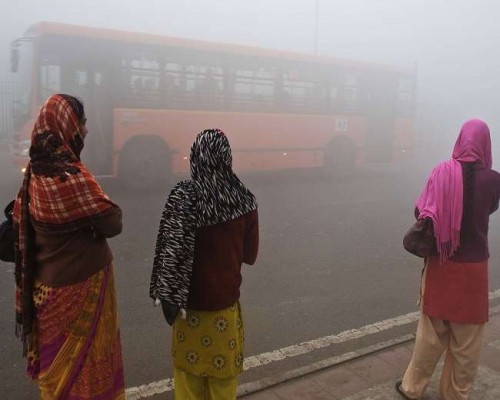
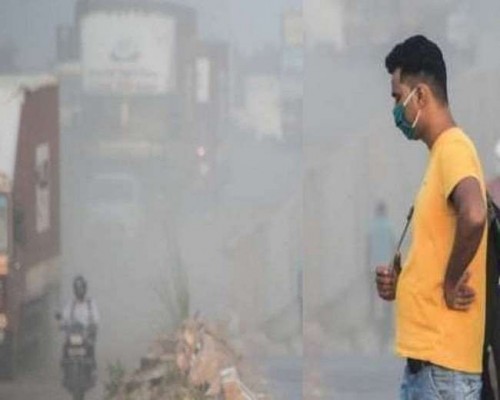
A comprehensive clean air initiative is set to receive financial support of approximately ₹2,700 crore, aimed at tackling rising air pollution levels and strengthening environmental sustainability across the state. The funding, equivalent to around $300 million, has been approved by the World Bank and will be utilized through 2030 under a structured clean air management programme.
The initiative focuses on improving air quality through targeted interventions across multiple sectors, including transport, agriculture, industry, and urban infrastructure. The World Bank’s board has approved financial assistance to support the state government’s long-term strategy for air pollution control, marking a significant step toward achieving sustainable environmental standards.
Under the programme, investments will be directed toward strengthening clean air management systems and promoting greener technologies. Approximately 39 lakh families are expected to benefit from cleaner cooking solutions. In the transport sector, 15,000 electric three-wheelers and 500 electric buses will be introduced to reduce vehicular emissions. Electric buses are planned to operate in major urban centres such as Lucknow, Kanpur, Varanasi, and Gorakhpur, while e-mobility initiatives will be expanded across urban regions.
The plan also includes incentives to replace around 13,500 high-emission heavy vehicles with low-emission alternatives. Farmers will be encouraged to adopt improved methods for managing agricultural and livestock waste, helping reduce stubble burning and related pollution. Support will also be extended to micro, small, and medium enterprises to transition toward cleaner production technologies.
The programme identifies six priority areas for intervention: solid waste management, afforestation and green infrastructure development, transport sector reforms through e-mobility, clean energy supply to industries, promotion of biomass-based cooking solutions at household and commercial levels, and reduction of ammonia and methane emissions through natural farming practices and compressed biogas.
Officials from the Environment, Forest and Climate Change Department stated that the initiative represents a major step toward building a cleaner, healthier, and economically stronger state. The adoption of clean technologies is expected not only to improve air quality but also to generate employment and stimulate sustainable growth.
The programme’s impact is anticipated to extend beyond the state’s borders, contributing to improved regional air quality and supporting broader climate commitments. By integrating financial assistance, policy reforms, and sector-specific interventions, the initiative aims to create a durable framework for combating pollution and promoting long-term environmental resilience.