
Ozone Pollution Emerging as a Threat for Kolkata, Bengaluru, and Mumbai After Delhi
Following Delhi, major Indian cities such as Kolkata, Bengaluru, and Mumbai are now facing significant health risks from rising ozone pollution levels. According to a report by the Centre for Science and Environment (CSE), these cities have recorded ground-level ozone concentrations above permissible limits for a large number of days in 2025.
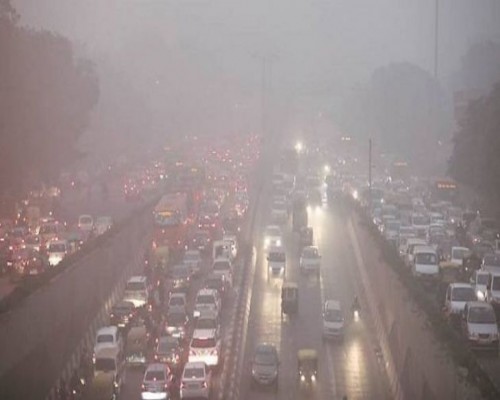
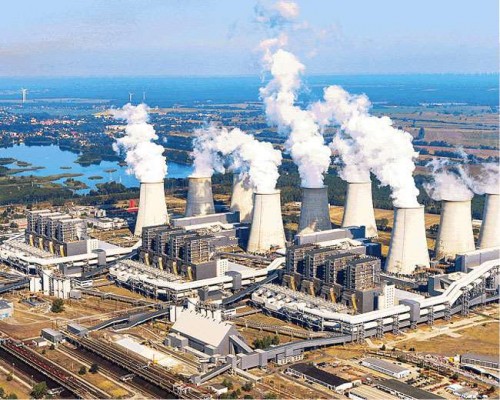
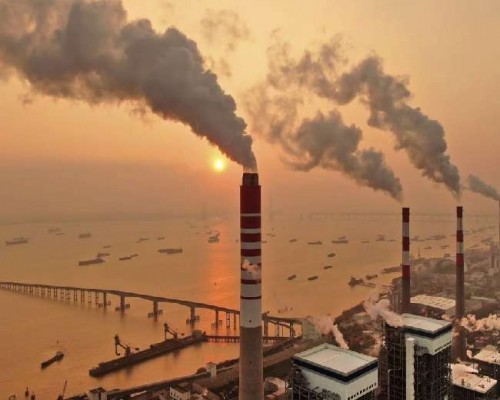
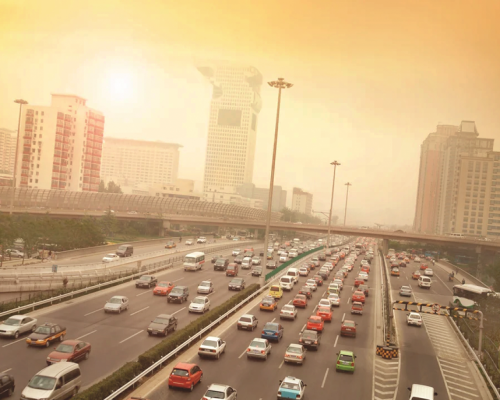
The study highlights that exposure to high ozone levels can worsen respiratory diseases, aggravate asthma, and increase the risk of premature death. Ozone pollution forms when nitrogen oxides (NOx) and volatile organic compounds (VOCs) emitted from vehicles, industries, and power plants react in the presence of sunlight.
City-wise Ozone Data:
- Bengaluru: Above permissible levels for 92 days, with maximum violation in the months of March to May.
- Kolkata: 86 days of excessive ozone levels, especially during March, April, and October.
- Mumbai: 82 days above safe limits, with peak violations in April and May.
- Other Cities: Hyderabad, Lucknow, and Pune have also seen significant ozone breaches, particularly during summer months.
Health Risks: Ozone inhalation can cause coughing, throat irritation, shortness of breath, and can aggravate lung and heart conditions. Vulnerable groups include children, the elderly, and those with pre-existing respiratory illnesses.
Possible Solutions Suggested by Experts:
- Strengthen emission control measures for vehicles, industries, and power plants.
- Promote public transport, electric mobility, and cleaner fuels.
- Implement stricter monitoring and reporting systems for urban air quality.
- Encourage public awareness on ozone pollution and health precautions.
Experts warn that without urgent action, more Indian cities will face prolonged exposure to harmful ozone levels, leading to increased public health burdens.