
Rainwater Harvesting to Become Mandatory Across the Capital, Government Targets Public Buildings First
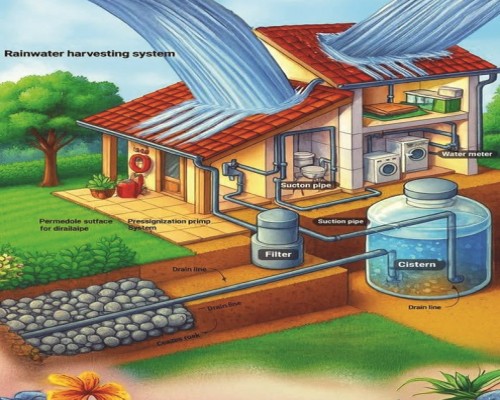
authorities have decided to make rainwater harvesting systems mandatory across the capital. The initiative seeks to ensure systematic conservation of rainwater and its effective recharge into the ground, forming a critical part of long-term water management planning.
The policy will initially be implemented across government infrastructure, with more than 60 departments instructed to install rainwater harvesting systems within a defined timeframe before the onset of the monsoon. These departments include offices, schools, parks, and other institutional buildings, all of which are required to ensure that the systems are not only installed but also fully operational.
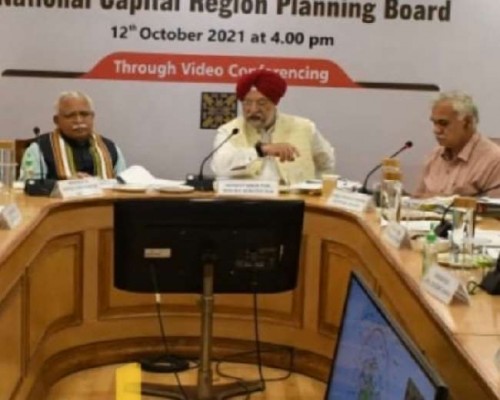
The decision was taken following high-level consultations involving key administrative departments. Officials emphasized that the objective is to set an example through government institutions before expanding the mandate to private establishments and residential sectors. The move is also aligned with broader national efforts to conserve water resources and improve groundwater recharge.
Authorities highlighted that despite receiving substantial rainfall, a large portion of rainwater in urban areas flows into drains and is lost. By capturing and storing this water, it can be redirected into the ground, thereby improving groundwater levels and reducing dependence on external water sources. This approach is expected to mitigate seasonal water shortages and contribute to a more sustainable urban water cycle.
To ensure effective implementation, the Delhi Jal Board has been designated as the nodal agency responsible for overseeing the execution and monitoring of the initiative. The board will also extend technical and financial assistance to support the installation of rainwater harvesting systems. Buildings that comply with the guidelines may receive incentives, while those that fail to implement or maintain the systems could face penalties or withdrawal of benefits.
Officials noted that, until now, rainwater harvesting had largely remained a regulatory requirement on paper, with limited enforcement. The current initiative aims to change that by introducing strict monitoring mechanisms, including inspections and accountability measures. Authorities have also indicated that awareness campaigns will be conducted to encourage participation from private stakeholders and the general public.
The plan includes a phased expansion beyond government properties, eventually covering private institutions, housing societies, and commercial establishments. Special focus will be placed on large complexes and campuses where the potential for groundwater recharge is significantly higher.
Emphasizing the broader responsibility, policymakers stated that water conservation is not solely a government obligation but a shared duty of all stakeholders. The success of the initiative will depend on active cooperation from institutions, industries, and citizens alike.
This development reflects a growing recognition of the urgent need to conserve water resources in urban centers. By institutionalizing rainwater harvesting and ensuring its effective implementation, authorities aim to create a sustainable model that can address both current shortages and future water challenges.