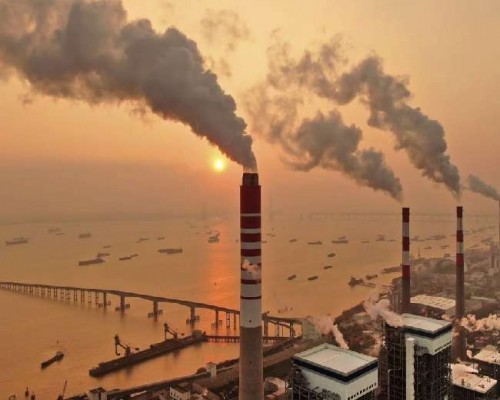

Toxic Chemicals in Ganga Pose Severe Threat to Endangered Gangetic Dolphins
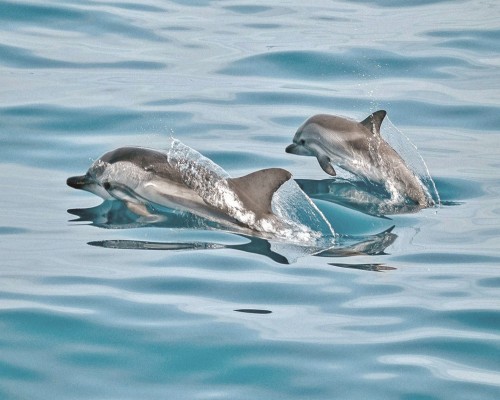
A recent scientific study has raised serious concerns over the survival of Gangetic dolphins, India’s national aquatic animal, due to the high levels of toxic chemicals found in the Ganga River.
Published in the journal Heliyon, the study was conducted by the Wildlife Institute of India (WII), revealing alarming levels of contamination in fish species consumed by dolphins. The study identifies industrial effluents and urban waste as major contributors to river pollution, making these toxins particularly dangerous for aquatic life.
Key Findings of the Study:
- 39 toxic chemical compounds were found in the fish consumed by dolphins.
- The primary pollutants included DDT, BDEs (brominated diphenyl ethers), and PCBs (polychlorinated biphenyls).
- Pollution from 16 industries was found responsible for the degradation of river water quality.
- Post-1997, Ganga’s dolphin population has declined by 50% in some stretches.
Only Five Dolphin Populations Remain
In many parts of the Ganga basin, only five surviving dolphin populations have been recorded. These mammals, vital to the river ecosystem, are exposed to toxins that can cause serious health issues such as hormonal disruption and organ damage.
The study warns that contaminants like lead, arsenic, mercury, and banned pesticides continue to enter the river through untreated sewage, agricultural runoff, and industrial discharges.
Urgent Call for Action
Environmentalists have called for urgent measures to address this crisis. Recommendations include:
- Enforcing stricter regulations on effluent discharge.
- Upgrading and monitoring sewage treatment plants.
- Implementing conservation strategies focused on riverine biodiversity.
The survival of the endangered Gangetic dolphin, a critical indicator of river health, depends on swift action to reduce toxic pollution in one of India’s most sacred rivers.