
Uttar Pradesh Approves Policy to Treat and Reuse Wastewater for Non-Drinking Purposes
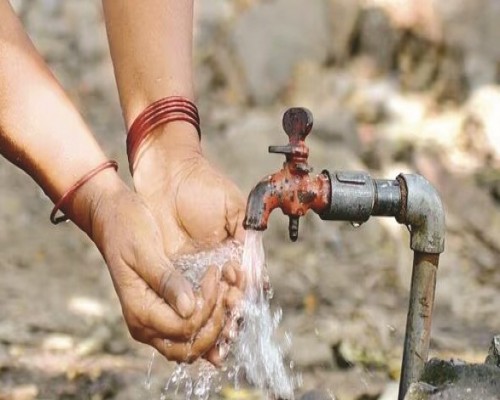
In a significant step toward sustainable water management, the Uttar Pradesh government has approved a new policy aimed at treating wastewater generated from homes and industries and reusing it for non-drinking purposes across the state.
The policy, titled the Safe Reuse of Treated Water (Non-Potable Use) Uttar Pradesh State Policy–2026, is designed to promote the safe and systematic reuse of treated wastewater in order to reduce pressure on freshwater resources and improve long-term water security.
Under the policy, wastewater discharged from residential and industrial sources will be treated through Sewage Treatment Plants (STPs) and Faecal Sludge Treatment Plants (FSTPs) before being repurposed for a range of non-potable applications. The move comes at a time when the demand for water in sectors such as agriculture, households, industries and energy continues to rise sharply in the state.
Officials believe that the policy will help conserve clean drinking water by diverting treated wastewater for uses where potable water is not essential. This is expected to play an important role in addressing growing concerns over water scarcity, urban expansion and the increasing strain on groundwater and other freshwater sources.
The implementation of the policy has been planned in three phases.
In the first phase, wastewater generated in both urban and rural areas will be treated and used for purposes such as municipal services, construction work, horticulture and irrigation. This stage is intended to create the initial infrastructure and operational framework for large-scale wastewater reuse.
In the second phase, the use of treated wastewater will be expanded to key sectors including industry, agriculture and railways, indicating a broader integration of recycled water into essential economic and public utility systems.
In the third phase, the government plans to establish a dual pipeline system to ensure the supply of treated water for non-drinking purposes directly to users. This approach would allow separate distribution channels for potable and non-potable water, reducing dependence on freshwater for activities that do not require drinking-quality water.
According to the policy framework, the reuse of treated wastewater is expected to create a more efficient water-use model while also improving the functioning of wastewater treatment infrastructure across the state. Authorities have indicated that the initiative is not merely about waste disposal, but about transforming wastewater into a valuable resource.
The decision is also being viewed as a strategic response to the state’s increasing water demand, especially as urbanisation, industrialisation and agricultural requirements continue to intensify. By reusing treated wastewater, the government hopes to preserve precious freshwater reserves for drinking and other essential needs.
Experts say that if implemented effectively, the policy could become a major example of circular water management in India, helping reduce environmental stress while supporting urban planning, industrial growth and agricultural sustainability.
The approval of the policy marks an important shift in how water resources are managed in Uttar Pradesh, with wastewater now being treated not as a liability, but as an opportunity for sustainable development and long-term resource conservation.