
Uttar Pradesh Plans ₹2,700 Crore Investment to Tackle Air Pollution

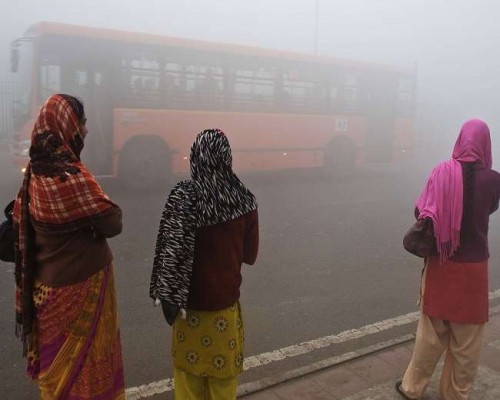
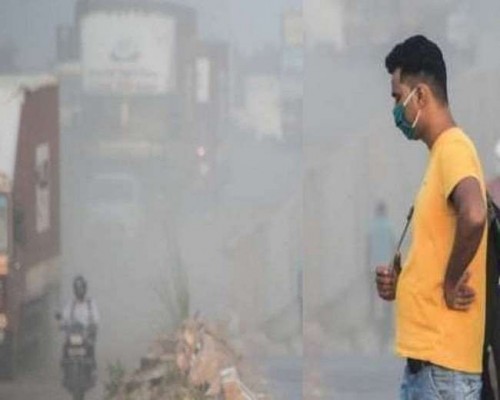
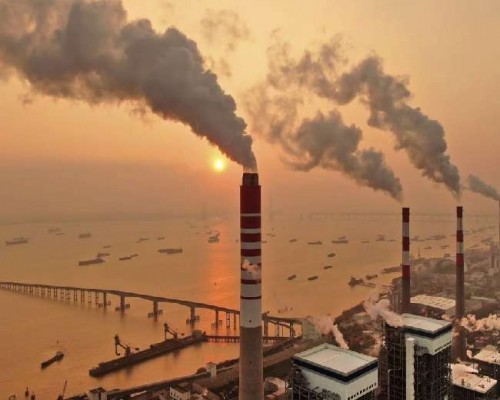
The Uttar Pradesh government has announced a comprehensive plan to invest approximately ₹2,700 crore to address the challenge of air pollution across the state, with financial assistance from the World Bank. The funding, equivalent to around USD 300 million, has been approved to support long-term clean air initiatives and is scheduled to be utilised up to the year 2030.
The investment forms part of a structured Clean Air Management Programme developed with the support of the World Bank. The initiative aims to significantly reduce air pollution levels while delivering positive environmental, public health, and economic outcomes not only for Uttar Pradesh but also for neighbouring regions affected by transboundary air pollution.
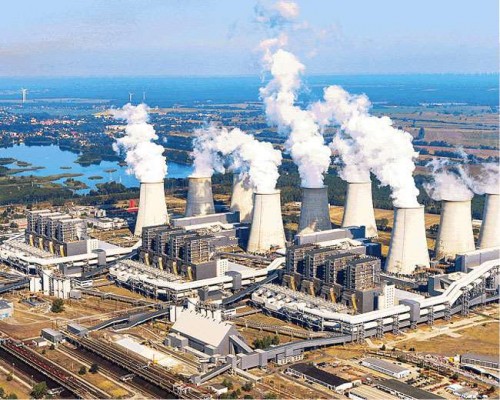
Under the programme, targeted interventions will be implemented across major sectors contributing to air pollution, including transport, agriculture, industry, waste management, and household fuel usage. The government plans to strengthen infrastructure and promote cleaner technologies to ensure sustained improvements in air quality.
A major focus of the initiative will be the transport sector. Electric mobility will be expanded in urban areas, with plans to introduce electric buses in cities such as Lucknow, Kanpur, Varanasi, and Gorakhpur. Additionally, incentives will be provided to replace approximately 13,500 highly polluting heavy vehicles with low-emission alternatives. To support last-mile connectivity and clean transport, around 15,000 electric three-wheelers and 500 electric buses are proposed under the programme.
The plan also includes measures to improve access to clean cooking solutions. Nearly 39 lakh families are expected to benefit from the availability of cleaner cooking fuels, reducing household-level emissions and associated health risks, particularly for women and children.
In the agricultural and industrial sectors, the programme will promote improved management of agricultural waste, increased use of biomass, and a gradual phase-out of coal-based fuels at both household and commercial levels. Industries will be encouraged to adopt cleaner energy sources and modern pollution-control technologies. Special emphasis will be placed on reducing emissions of ammonia and methane through the promotion of natural farming practices and the use of compressed biogas.
Small, micro, and medium enterprises will receive support to transition toward cleaner technologies, helping balance environmental responsibility with economic growth. Investments will also be made to strengthen green infrastructure and modernise waste management systems.
Senior officials from the Environment, Forest and Climate Change Department have described the World Bank’s approval as a significant step toward making Uttar Pradesh cleaner, healthier, and more economically resilient. The programme is expected to create a strong institutional framework for clean air governance and set a benchmark for other states pursuing large-scale air pollution mitigation efforts.
With this long-term investment strategy, Uttar Pradesh aims to achieve measurable improvements in air quality while fostering sustainable development and enhancing the overall quality of life for its residents.